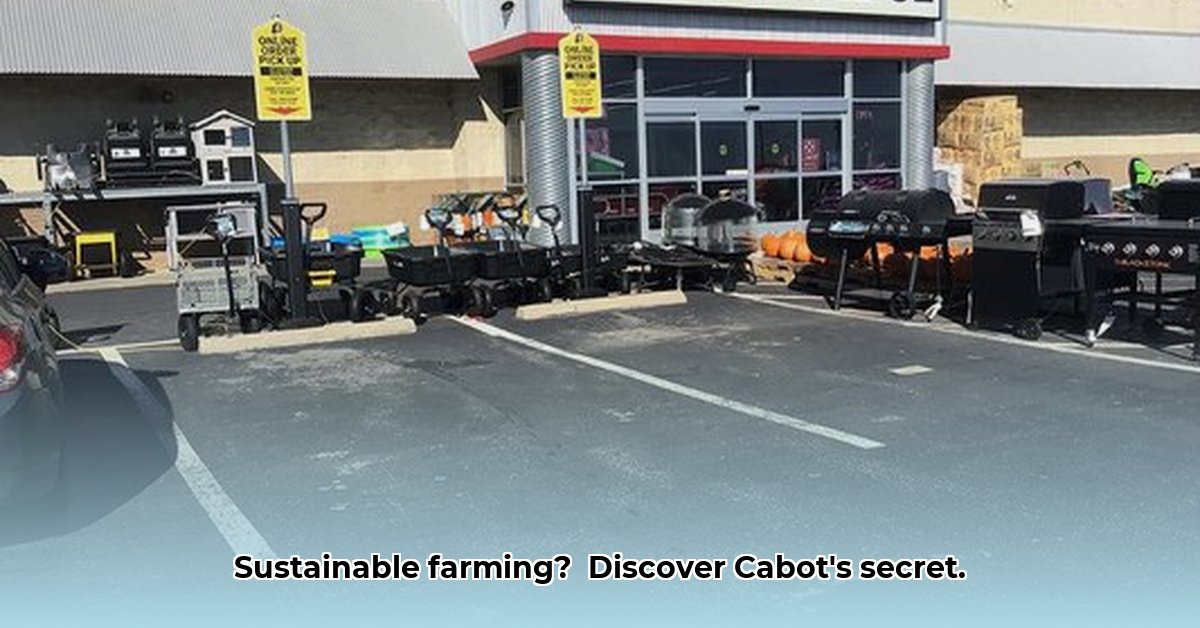
Tractor Supply (TSC) in Cabot, Arkansas plays a significant role in local agriculture, but its contribution to sustainable farming requires closer examination. This article analyzes TSC's product offerings, assesses its sustainability efforts, and proposes actionable steps for all stakeholders to foster a more environmentally friendly agricultural landscape. We will explore how the Cabot store, in particular, can become a stronger partner in promoting sustainable practices. For information on soil amendments like lime, see this resource.
TSC's Product Offerings: A Mixed Bag of Sustainable Potential
The Cabot TSC store stocks a wide array of products applicable to sustainable farming—from seeds and seedlings for home gardens to tools and equipment for larger operations. This accessibility is a boon for local farmers and home gardeners alike. However, the sustainability of these products themselves is largely unverified. While TSC offers items that could be used in sustainable agricultural methods (organic seeds, certain fertilizers), a major limitation is the lack of transparent labeling clearly identifying products' sustainability credentials. Quantifiable data on the percentage of TSC's Cabot inventory that meets specific sustainability standards (e.g., organic certification, recycled materials) is unavailable, hindering a complete analysis.
Assessing TSC's Sustainability: A Need for Greater Transparency
While TSC has publicly announced ambitious corporate sustainability goals—including carbon reduction targets—the information concerning the environmental impact of individual products sold at the Cabot store is insufficient. The absence of comprehensive labeling regarding sourcing, manufacturing processes, and packaging poses a significant challenge for consumers seeking sustainably produced goods. For instance, while the company website details their overall sustainability efforts 1, it doesn't provide granular data on product-specific sustainability attributes readily available to Cabot store customers. Increased transparency regarding supply chain processes, manufacturing methods, and certifications is crucial to building consumer confidence and supporting sustainable agricultural practices.
Localized Impact: A Potential, but Unquantified, Benefit
TSC's presence in Cabot likely reduces transportation emissions by providing local access to agricultural supplies. This increased local self-sufficiency potentially diminishes the need for farmers to source materials from distant locations—a positive indirect impact on the environment. However, without specific data on transportation distances, quantities shipped from alternative suppliers, and emissions comparisons, the extent of this environmental benefit remains unquantifiable. Further research is needed to accurately determine the environmental impact of TSC's local presence.
Actionable Recommendations: A Multi-Stakeholder Approach
To enhance TSC's role in promoting sustainable agriculture, a multi-pronged approach involving all stakeholders is necessary.
For Tractor Supply Company:
- Implement Comprehensive Sustainability Audits: Conduct thorough assessments of the supply chains for all products, focusing on identifying and mitigating environmental impacts throughout the lifecycle of products. This should include quantifiable metrics and targets for improvement.
- Strengthen Supplier Partnerships: Prioritize partnerships with local and regional suppliers committed to sustainable practices, like organic certification and environmentally conscious manufacturing.
- Enhance Product Labeling: Adopt clear and detailed labeling that includes certifications (e.g., organic, Fair Trade), production methods, and environmental impact information for each product.
For Local Farmers and Gardeners:
- Seek Education and Resources: Utilize online resources and workshops offered by TSC or local organizations to learn about and implement sustainable agricultural techniques.
- Advocate for Sustainable Practices: Demand more transparency on sustainable practices from TSC by providing feedback, sharing concerns, and requesting improvements.
- Prioritize Sustainable Choices: Select sustainably sourced materials and products whenever financially feasible, supporting businesses and practices that reflect environmental responsibility.
For Community Organizations:
- Partner with TSC & Farmers: Collaborate on educational workshops, demonstration gardens, and community events to promote sustainable agriculture practices.
- Raise Awareness: Educate the community about sustainable practices and the benefits of supporting local, environmentally conscious businesses.
Risk Assessment and Mitigation: Understanding Potential Challenges
Sustainable farming faces inherent risks. The following matrix highlights key risks and strategies for mitigation.
| Practice/Technology | Risk Level | Mitigation Strategies |
|---|---|---|
| Conventional Pesticide Use | High | Transition to Integrated Pest Management (IPM) techniques; promote biopesticides; reduce reliance on chemical inputs. |
| Unsustainable Livestock Feed | Medium | Encourage the use of responsibly sourced, locally grown feed; promote pasture-raised livestock; minimize grain-heavy diets. |
| Non-Recyclable Packaging | Medium | Transition to compostable or biodegradable packaging; improve recycling infrastructure and consumer education. |
| Soil Degradation from Intensive Farming | High | Promote soil health practices like crop rotation, cover cropping, and no-till farming; encourage the use of compost and other soil amendments. |
Regulatory Considerations: Adherence to Legal Frameworks
TSC must ensure full compliance with all relevant environmental regulations, including those concerning pesticide use, water management, and waste disposal. Proactive engagement with regulatory agencies is essential to maintaining compliance and fostering responsible agricultural practices.
Conclusion: Building a Sustainable Future Together
Tractor Supply Company has the potential to play a major role in supporting sustainable agriculture in Cabot and beyond. Achieving this vision, however, demands improved transparency, proactive engagement from all stakeholders, and a shared commitment to environmentally responsible practices. By addressing the identified challenges and implementing the recommended actions, TSC, local farmers, community organizations, and consumers can collectively contribute to a more sustainable and thriving agricultural future.
Call to Action: Join the Movement for Sustainable Agriculture
The path to sustainable farming requires collective action. We urge consumers to demand greater transparency from Tractor Supply and other suppliers, support local farmers committed to sustainable practices, and engage with community initiatives that promote environmentally friendly agriculture. Let's work together to build a future where food production and environmental stewardship go hand-in-hand.